
Loving Mom, Unloved Mom
On having two mothers

I have two mothers.
One was born the fourth of six, no glasses until fourth grade when a teacher noticed that she was always squinting at the board. What might she have missed in those earliest years of education, and did this set the dominos lead to her fundamental belief that she was “not terribly smart”?
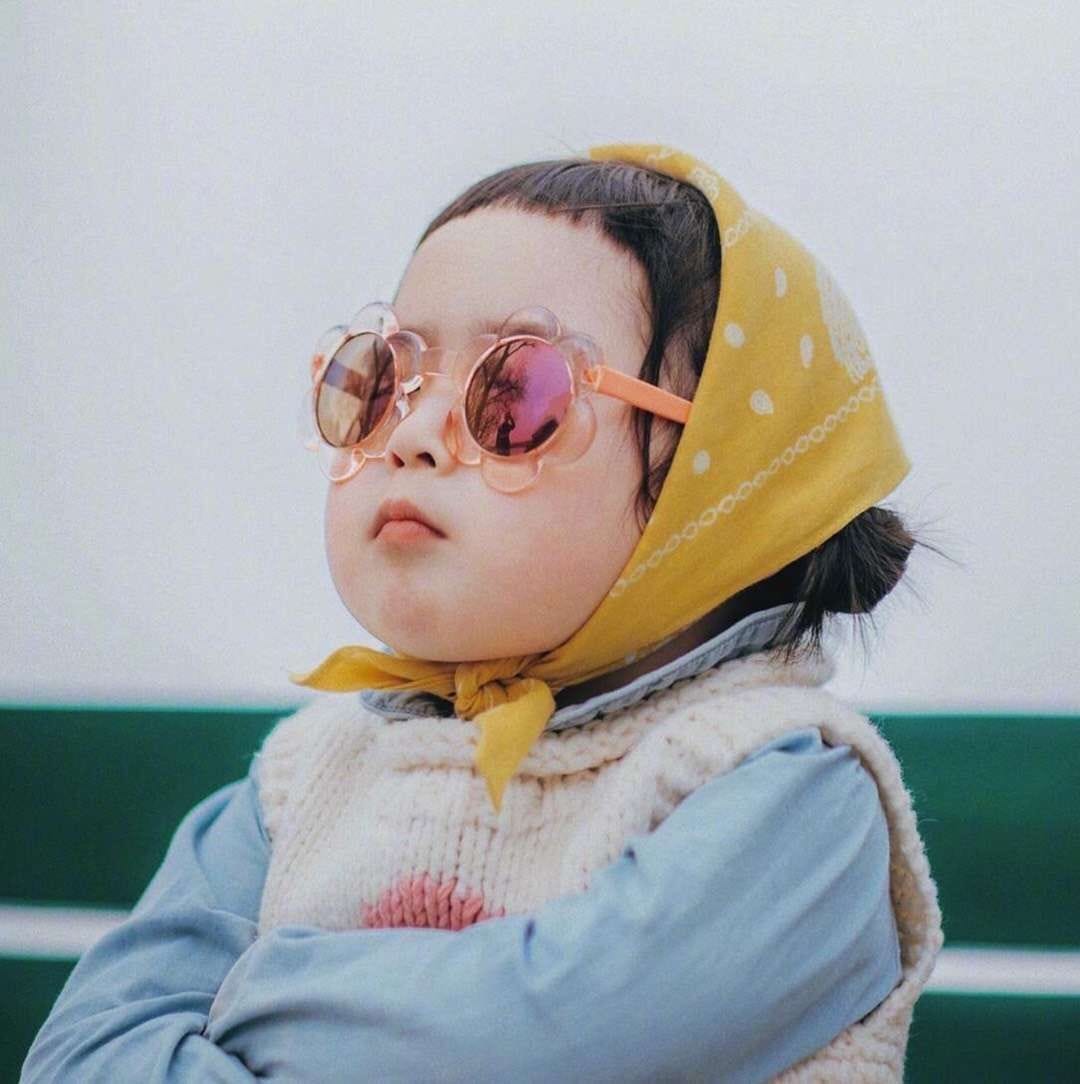
Those damn butterfly wings, slippery in their performance, unknown winds flitting off to bless and burden. If you’d gotten glasses, might you have avoided later car crashes, later vitriol, later having the police escort then-so-called husband out of the house.
He is given just a few minutes to pack and what he chooses to pack is the blankets your mother knit for you. The so-called husband opts for the vindictive, even in those last moments; not that he should be expected to do otherwise. What were the parts of your childhood, carved out from the composite, that later made you a target for abuse? Is there any blame to lay, and would it heal us, anyway?
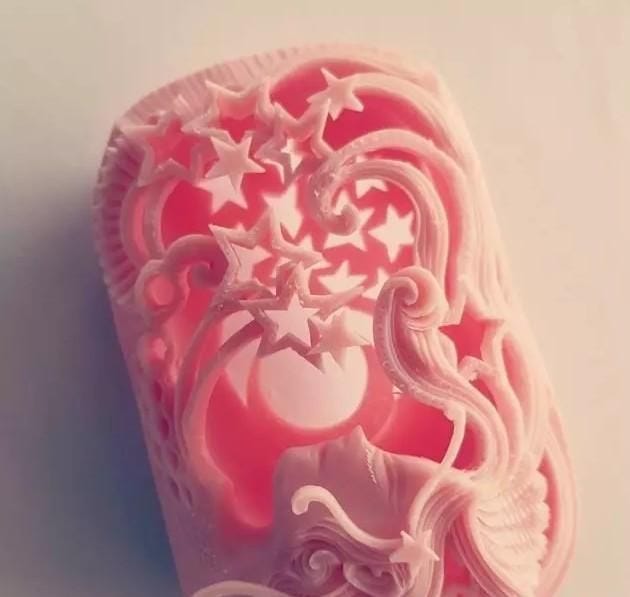
As an infant, her own mother put her in the oven. When her father, who we later learned was a pedophile, came home and asked where the baby was, her mother said in the oven— “to keep her warm.” It makes total sense when you’re in the throws of an episode. Or that it would make sense to wake all six children in the dark hours of the morning to carve soap; this had to happen. I can relate, being compelled. The logic you inherit from without, that no one else can counter.
It was a memory passed down to us, my siblings and I, something we knew growing up. The entry point of this knowledge, my mother’s early brush with death, I can’t recall. Only recently, we both laid on the sectional, lounging and reading, you (my Mom) now a grandmother, and I learned the fuller arc of how your childhood bumped along, rattled along, punctuated by your mom disappearing for years at a time, living on the second floor at the hospital. Back then, electroshock therapy was in vogue, but lobotomies were passé.
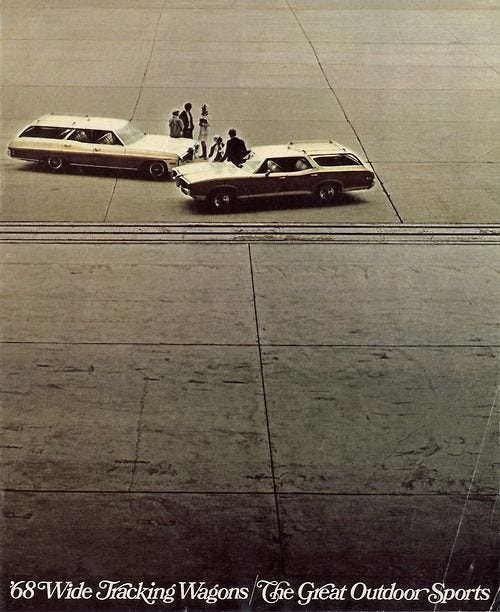
You and siblings would pile into the station wagon, pause in the hospital parking lot, and wave at empty windows.
A childhood memory of mine— I see you crying in the kitchen, provoked to tears by the wooden spice rack on the blue linoleum countertop, a memento of your mother. He (that man you called husband for some time, the man we called mistakenly called “Dad”) threw it out. In the moment it seemed an act of mercy and protection, to try to spare you from pain. In retrospect, we know certainly he was not capable of such consideration.
What could have shifted in my mother’s life that might have spared her, and also saved me?
I’m sorry, Mom. I’m real sorry.