
Questioning the Snap Narrative
When we look closely at intimate partner homicide, the story is rarely a sudden loss of control.

He would always win the fight, bang bang.
He shot me down, bang bang.
I hit the ground, bang bang.
That awful sound, bang bang.
My baby shot me down.
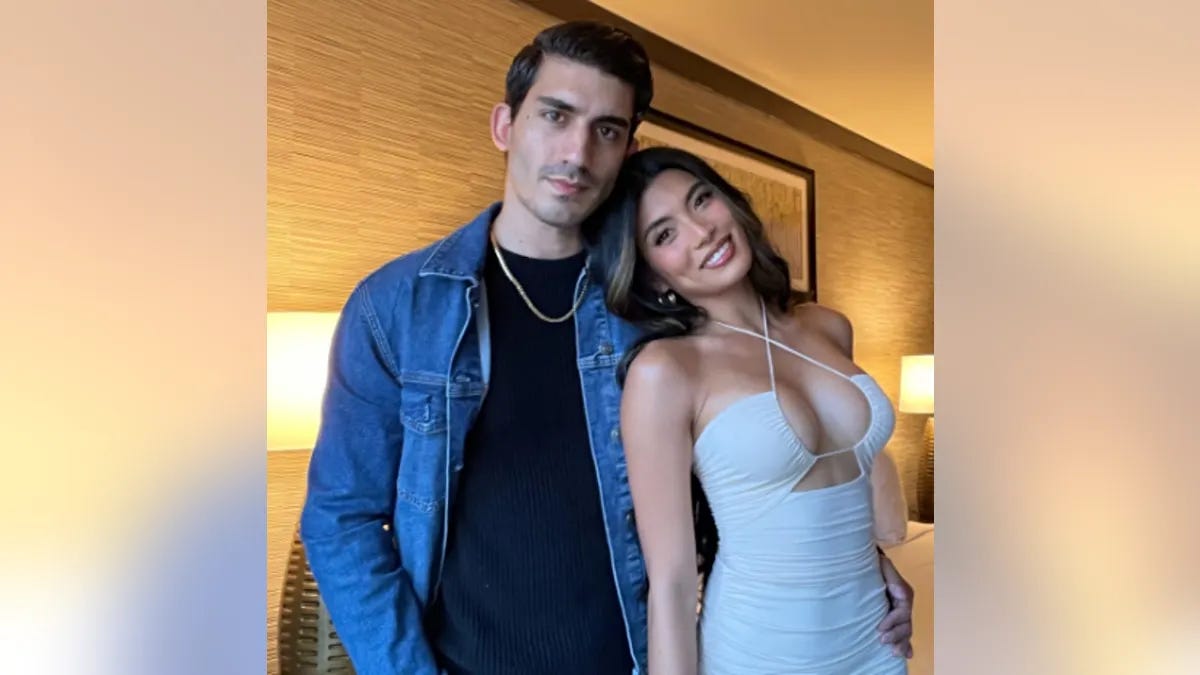
Recently I watched the documentary “TikTok Star Murders.” It covered the “relationship” (a misnomer) between Ana Marie Quito Macedonio and Ali Abulaban, which ended with Ali killing Ana and her friend.
Ali achieved some notoriety with his TikTok account, which he sometimes used to live-stream arguments where he would verbally abuse Ana. There is a scene where Ana is in the background on the couch, in the corner, looking down, with Ali standing up, speaking to his followers. He says something to the effect of, “this is what a bitch looks like.” It is humiliating and cruel.
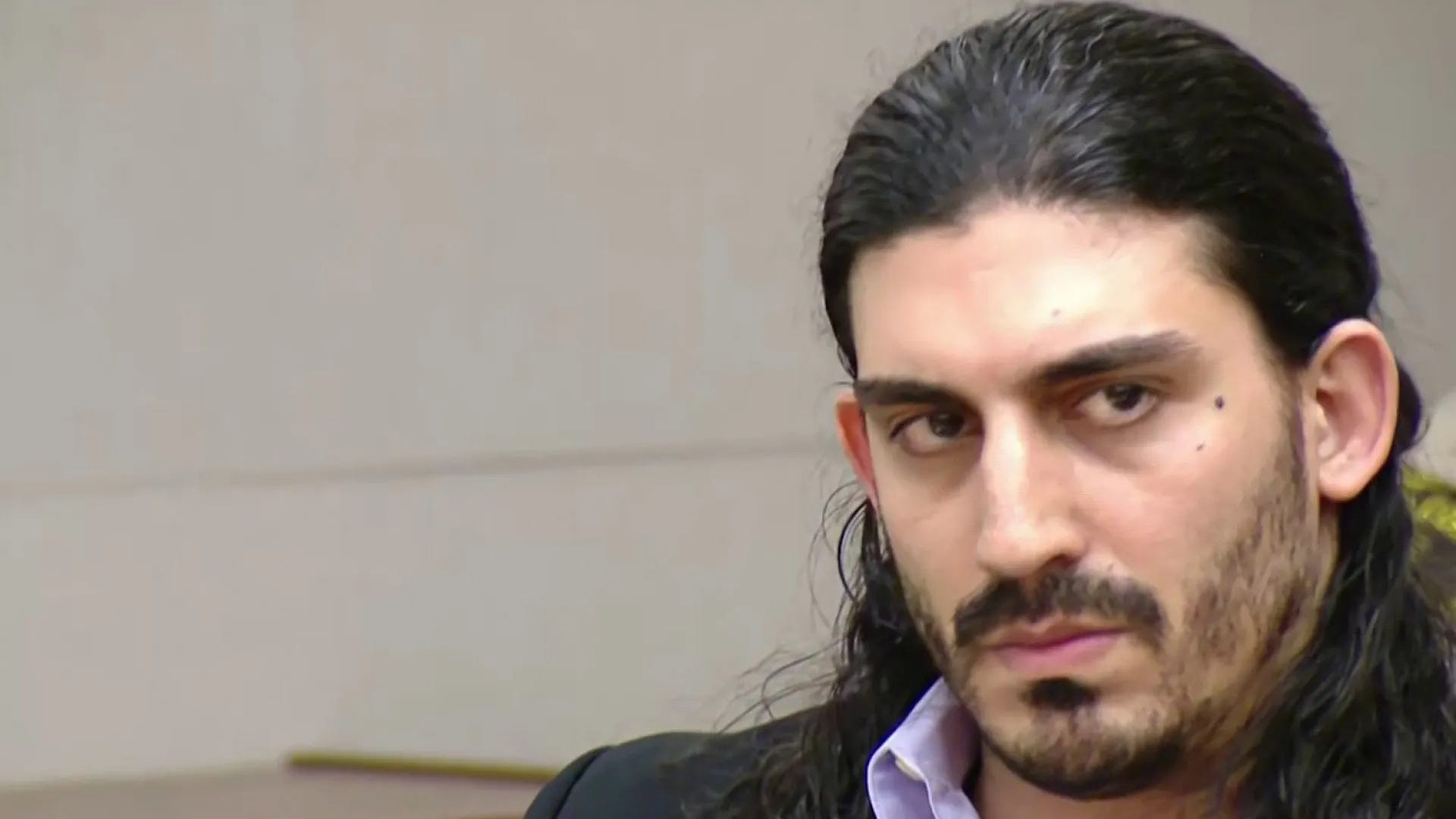
In my recollection, this is the first time I have heard of the weaponization of social media live streaming against a target. In the hands of an abuser, most things (if not all?) can be weaponized.
In the documentary, there is another recording where Ali berated Ana for not having sex with him saying, “a woman as beautiful as you couldn’t go a month without sex.” This comment struck me, for its combination of sweet and sour— a seemingly positive comment on her appearance (a woman’s preeminent value in a patriarchal society), and an all-knowing assessment of what her body needs.
This comment reminded me of a red flag I heard on a first (and last) date when a man coaxed me into drinking alcohol— “c’mon, you’re a big girl.” In both cases, the man is placing himself on the pedestal of The One Who Knows Best, particularly when it comes to women’s needs and abilities.
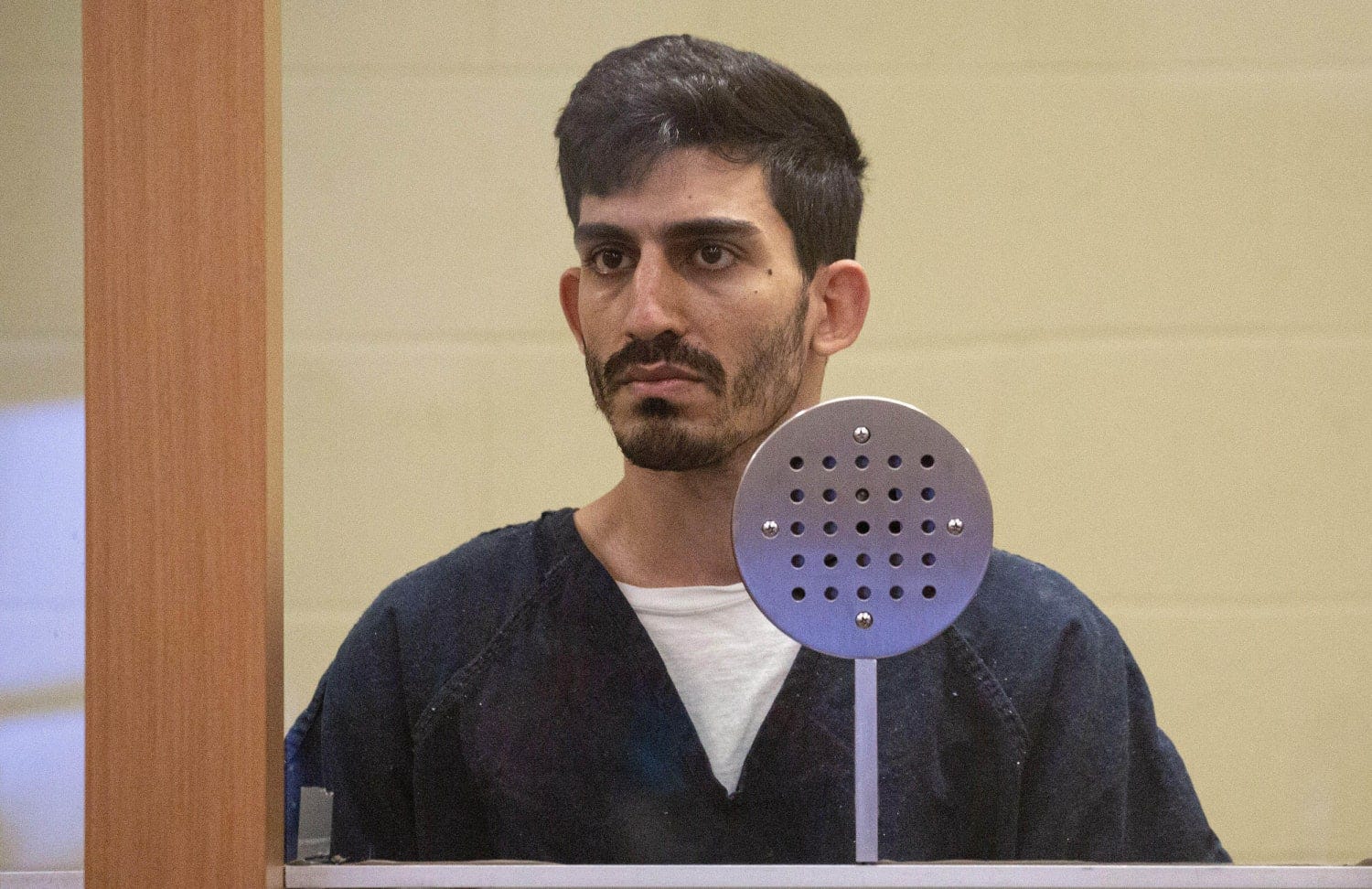
In coverage of Ali’s killing of Ana, there are references to that defense often cited when men kill women they have known— “I just snapped.”
According to a Time article, Ali claimed that social media fame “made him snap.” During his defense testimony, Ali claimed he “snapped” when he saw Ana with a male friend at their home.
Ali’s defense attorney argued that these two killings were not premeditated— they were crimes of passion. This would have dropped the charge against Ali from premeditated murder to voluntary manslaughter, and resulted in a lesser prison sentence.
From Cornell Law School: “A crime of passion is committed in response to provocation, as opposed to a crime that was premeditated... Provocation serves as a partial defense to a charge of murder because, while it does not completely excuse the defendant of the killing, it can downgrade the degree of the crime and therefore the associated punishment.”
The prosecution argued that Ali’s slaying of Ana and her friend were premeditated murder. Ana had moved out of the apartment in the days prior to the shootings. Ali coaxed her back, saying she could stay in the apartment and he would go stay at a hotel. In the documentary, Ana’s friends speculated Ali extended this invitation to lure her back into a space where he would have access. At this juncture, where Ali is seemingly stepping back and giving Ana space, he plants a listening device in their daughter’s tablet device.
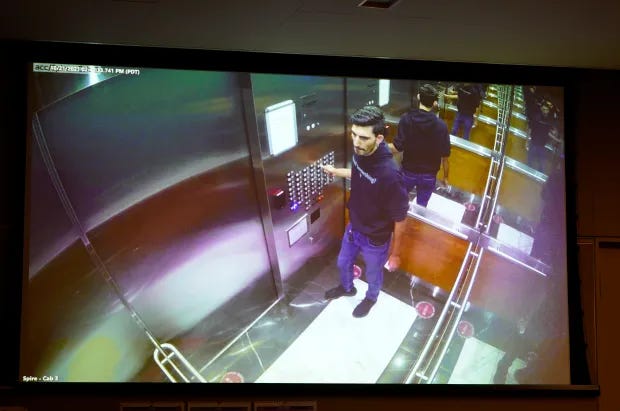
Ali listened to the device from his hotel nearby and heard a man’s voice. He drove over, rode the elevator to the 35th floor, opened the door and shot Ana and the man.
I don’t think Ana Marie died because Ali lost control. She died because Ali refused to give up control.
Do you think there is such a thing as “the snap”?
Has “the snap” ever actually existed?